
The Hidden Dangers of Chemical-Laden Cookware: Why It’s Essential to Choose Safe Options
In recent years, we’ve become more aware of the impact that our environment, diet, and lifestyle choices have on our health. Yet, many of us overlook one essential area of the kitchen: cookware. Cookware that contains harmful chemicals can release toxins into food, which we then consume. Over time, these chemicals can accumulate in the body, potentially leading to a range of health issues. In this post, we’ll explore the importance of avoiding chemical-laden cookware and the potential health impacts of these toxins, as well as safe alternatives for a healthier kitchen.
12/3/20245 min read
The Hidden Dangers of Chemical-Laden Cookware: Why It’s Essential to Choose Safe Options
In recent years, we’ve become more aware of the impact that our environment, diet, and lifestyle choices have on our health. Yet, many of us overlook one essential area of the kitchen: cookware. Cookware that contains harmful chemicals can release toxins into food, which we then consume. Over time, these chemicals can accumulate in the body, potentially leading to a range of health issues. In this post, we’ll explore the importance of avoiding chemical-laden cookware and the potential health impacts of these toxins, as well as safe alternatives for a healthier kitchen.
The Risks of Toxic Chemicals in Cookware
Many nonstick, low-cost cookware options are made with coatings and materials that contain potentially harmful chemicals, including PTFE (Teflon), PFOA, PFAS, cadmium, lead, and nickel. When cookware is heated, scratched, or worn, these chemicals can leach into food and ultimately enter your body.
Common Chemicals Found in Cookware
PTFE (Polytetrafluoroethylene): Most commonly known as Teflon, PTFE is a synthetic fluoropolymer used in nonstick coatings. While it’s effective for easy-release cooking, it can begin to break down at high temperatures (above 500°F), releasing toxic fumes. These fumes can cause flu-like symptoms in humans and are deadly to birds.
PFOA (Perfluorooctanoic Acid): Previously used in nonstick coatings, PFOA is a known carcinogen. Although it’s been mostly phased out, older nonstick pans and some imported products may still contain it. PFOA exposure is linked to kidney and liver damage, thyroid disease, and immune system issues.
PFAS (Per- and Polyfluoroalkyl Substances): Known as “forever chemicals” due to their persistence in the environment and human body, PFAS compounds are linked to various cancers, hormone disruption, immune system damage, and developmental issues in children.
Cadmium and Lead: These heavy metals are sometimes found in low-quality enamel coatings and ceramics, especially in cheaper or imported cookware. They can leach into food, especially when acidic ingredients like tomatoes are used. Lead poisoning is particularly dangerous for children, affecting brain development and causing cognitive issues.
Nickel: Found in some stainless steel alloys, nickel can leach into food if the cookware is scratched. For people with nickel allergies, this can cause rashes and other allergic reactions.
The Health Impacts of These Chemicals
Exposure to these chemicals may not have an immediate impact, but over time, they can accumulate in the body, leading to chronic health issues. Here’s how some of these chemicals can affect your health:
1. Hormonal Disruption and Fertility Issues
Many chemicals in nonstick and coated cookware, especially PFAS, are known endocrine disruptors. These chemicals interfere with hormones, impacting the reproductive system, metabolism, and thyroid function. For women, hormone disruption can affect fertility, while in men, it may impact testosterone levels and sperm quality.
2. Increased Cancer Risk
Chemicals like PFOA and PFAS have been linked to an increased risk of several types of cancer, including kidney, liver, and testicular cancer. These chemicals are difficult for the body to break down, which allows them to accumulate and potentially cause DNA damage over time.
3. Developmental Issues in Children
Research shows that exposure to PFAS and lead can negatively impact children’s development. These chemicals may interfere with growth, cognitive development, and immune system function in children, potentially leading to learning disabilities and developmental delays.
4. Respiratory Problems
Heating nonstick pans above safe temperatures can cause the breakdown of PTFE, releasing fumes that can cause respiratory issues. This phenomenon, known as “polymer fume fever” or “Teflon flu,” can lead to flu-like symptoms such as chills, fever, and body aches. It is particularly dangerous for those with pre-existing respiratory conditions and can be fatal to birds.
5. Kidney and Liver Damage
The liver and kidneys play essential roles in detoxifying the body. Exposure to chemicals like cadmium and PFOA places additional strain on these organs, potentially leading to damage over time. Studies suggest that chronic exposure may increase the risk of kidney disease, reduced liver function, and an increased risk of liver cancer.
Safer Cookware Alternatives
Given the potential risks, choosing safe, chemical-free cookware is one of the best things you can do for your health. Here are some alternatives that provide the same cooking performance without harmful chemicals:
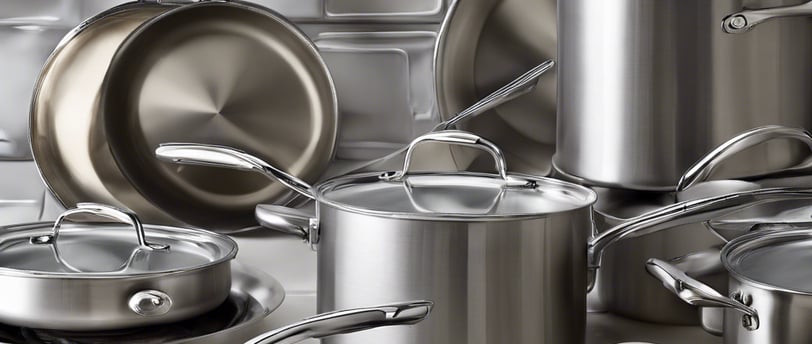
1. Stainless Steel
Stainless steel is an excellent non-toxic option for everyday cooking. It’s durable, resistant to corrosion, and doesn’t leach chemicals, even at high temperatures. Brands like All-Clad make high-quality stainless steel cookware that offers excellent heat distribution without any coatings.
2. Cast Iron
Traditional cast iron is naturally non-toxic, and when properly seasoned, it can even be nonstick. It’s great for high-heat cooking and adds a small amount of dietary iron to your food. Lodge makes affordable, high-quality cast iron that will last a lifetime with proper care.
3. Enameled Cast Iron
If you prefer a lower-maintenance option, enameled cast iron, like that from Le Creuset or Staub, provides the benefits of cast iron without the need for seasoning. The enamel coating is generally safe and durable, as long as it’s high quality and free from lead and cadmium.
4. Ceramic-Coated Cookware
Ceramic-coated cookware, like GreenPan or Scanpan, provides a safe nonstick surface without the use of PFAS or PFOA. These pans are ideal for low- to medium-heat cooking and are easy to clean. However, avoid using high heat and replace them if they become scratched.
5. Carbon Steel
Carbon steel is similar to cast iron but lighter and quicker to heat. It develops a nonstick surface over time with proper seasoning, making it a good option for sautéing and searing. Made In offers high-quality carbon steel that performs well and is free from harmful chemicals.
Tips for Safe Cookware Use
Even with safer cookware, proper use and care are essential to maximize its lifespan and ensure food safety.
Avoid High Heat with Nonstick: If you choose ceramic or PTFE nonstick cookware, use it only on low to medium heat. High heat can break down the coating faster and increase the risk of chemical release.
Replace Nonstick Pans When Damaged: Scratches and chips in nonstick coatings increase the likelihood of chemical leaching. Replace these pans regularly, or opt for ceramic-coated nonstick, which is less harmful than traditional PTFE.
Use Wooden or Silicone Utensils: Metal utensils can scratch even the toughest coatings over time. Opt for wooden, silicone, or plastic utensils to keep your cookware in good shape.
Hand Wash When Possible: Although some cookware is dishwasher-safe, handwashing can help extend the life of your pots and pans, especially nonstick and ceramic-coated options.
Ventilate Your Kitchen: If you do use nonstick pans, ensure your kitchen is well-ventilated, especially when cooking at higher temperatures, to reduce exposure to fumes.
Final Thoughts: Prioritize Health by Choosing Safe Cookware
Cooking is something we do every day, and investing in safe cookware can significantly impact your long-term health. By avoiding pans that contain potentially harmful chemicals, you’re making a proactive choice to protect yourself and your family from exposure to toxins. Whether you prefer the durability of stainless steel, the versatility of cast iron, or the convenience of ceramic nonstick, there are plenty of safe options available.
Switching to safer cookware doesn’t have to be overwhelming or expensive. Start with a few key pieces and build up your collection as needed. Your health is worth the investment, and cooking on non-toxic cookware will allow you to focus on enjoying your meals without worry.
Luxury living at the intersection of brilliant solutions & tech.
Seek
Connect
info@smartluxelifestyle.com
© 2024. All rights reserved.
Website built on Hostinger.
As an affiliate, I may earn from qualifying purchases made through the links on this page at no additional cost to you.
Disclose
Elevate